
University of California, Irvine (UCI), USA
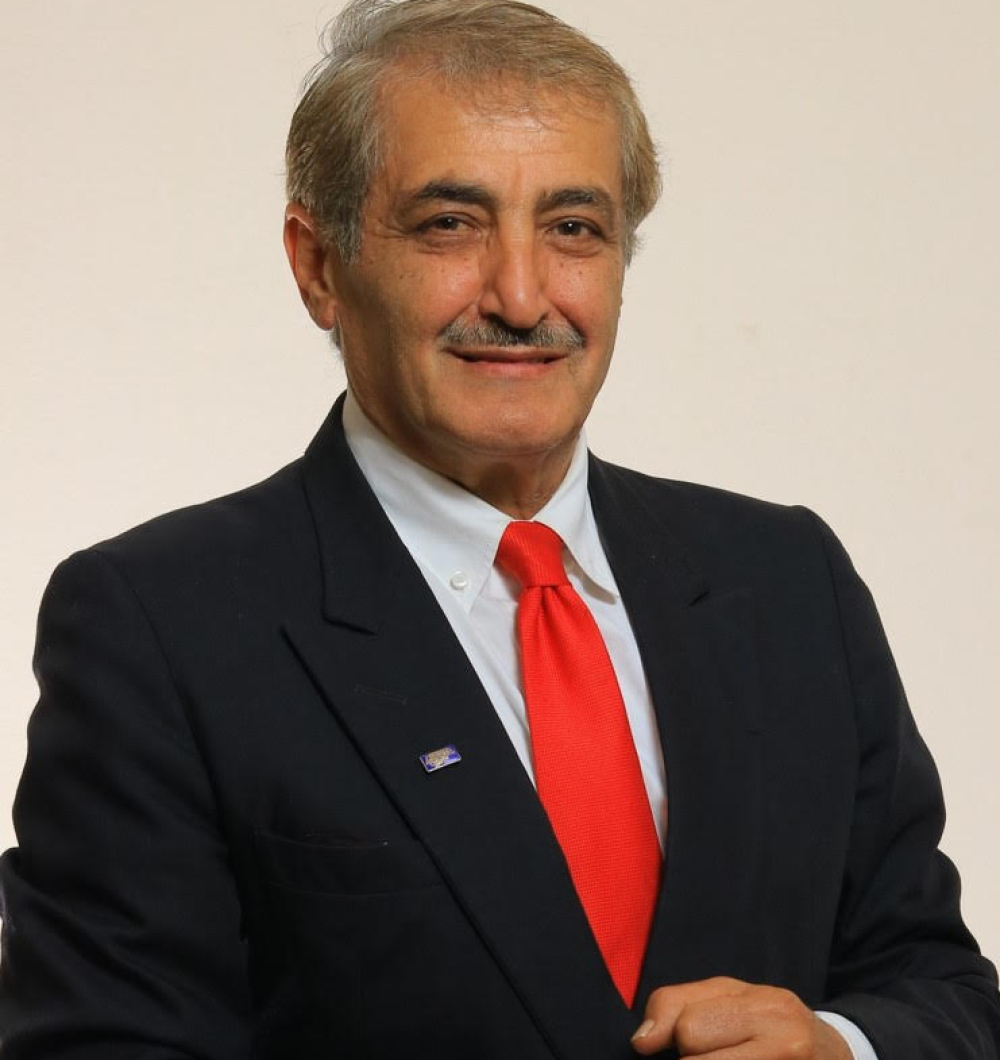
Ayman S. Mosallam
Title
RENEWING THE FUTURE: HOW RECYCLED PLASTICS INSPIRE A CIRCULAR ECONOMY
ABSTRACT
Developed in the early 20th century, modern plastics were celebrated as innovative technology that solved many problems and provided numerous affordable and simple and efficient and affordable alternatives and substitutes for different expensive and complex parts and systems used in construction, aerospace, automotive manufacturing, computers, packaging, medical devices, transportation, and other daily life applications. However, after many decades, people began to realize and identify some of the dark side of such material technology. Issues related to the environment such as improper disposal, land and ocean pollution, and concerns about food-related applications such as the content of persistent chemicals such as PFAS, or the “forever chemicals,” and their negative health issues. In early 2000, what was recognized to be the friend and the innovative technology transformed into an environmental enemy. This lecture explains how plastics can move from what is currently perceived as an enemy to a friend when guided by the principles of a flourishing circular economy. The issue is not the material itself but the linear system that allows plastic waste and PFAS-containing products to escape responsible management. Via reliable and efficient recycling techniques and controlled PFAS screening, plastics can return to their original productive position with their real environmental benefit. Recycled plastics offer strong thermal and acoustic performance, high impact and energy absorption, and above all, affordability and lightweight characteristics. In this lecture, practical examples of successful applications related to the use of recycled plastics are presented and discussed, including bridge protections and affordable housing. By repositioning recycled plastics back into productive cycles, their waste can be reduced or even eliminated, leading to ecosystem protection and developing innovative, sustainable, and affordable building systems that can truly serve humanity.
Biography
Dr. Ayman S. Mosallam is a professor of structural and earthquake engineering and a professor of materials & manufacturing engineering technology. He is a registered professional engineer in the District of Columbia and has over 45 years of experience in structural and materials engineering with a particular interest in green and sustainable materials and affordable building systems, polymer composites, recycled plastics, and structural health monitoring of infrastructure systems. He is the current chairman of the ASCE LA Chapter International Committee. Dr. Mosallam is a member of the ASCE Construction Institute Materials Directorate and a control member on the ASCE Structural Composites Committee. During his academic career, Dr. Mosallam has published over 500 technical papers, chapters, and reports on the structural performance of structural systems. He is the author of the ASCE Design Manual for FRP Composite Connections. Prof. Mosallam served and is serving on the editorial board of several journals, including Composites: Part B Buildings, Energies, Buildings, and many others. Professor Mosallam is the recipient of numerous awards, including the OCEC President’s Award, the Best Design Paper Award from the Composite Institute, the Industry Impact Award, the Best Paper Award from SPI, the Driss Aboutajdine Best Paper Award, and the ASCE Outstanding Engineering Educator of the Year Award